

In today’s digital environment, copyright claims are not only a legal tool reserved for content owners, but also an essential part of maintaining fairness and transparency across online platforms. However, not everyone fully understands when to file a copyright claim, how to do it, or how the process works. In this article, we will clarify what a "copyright claim" is and provide a detailed, step-by-step guide to help you protect your content legally and effectively.
- What is a Copyright Claim?
- How to File a Copyright Claim
- Filing a DMCA Copyright Complaint
- Filing a Copyright Claim Using Content ID
- How to Retract a Copyright Complaint
- If You Are the Claimant:
- If You Are the Alleged Infringer:
- Copyright Claims on YouTube
- What Happens When a YouTube Video Is Claimed?
- Sample Copyright Complaint Form
What is a Copyright Claim?
A copyright claim is the process by which a copyright or intellectual property owner requests action against infringements of their rights on digital platforms. This typically occurs when unauthorized use of content—such as videos, images, audio, or other works—is detected without the copyright holder’s permission.
Claims can be submitted in various ways, including DMCA takedown notices or tools like YouTube’s Content ID, which automatically detects and manages duplicated content. This is an important step that helps individuals and organizations safeguard their legal rights and ensure fairness in the digital creative space.
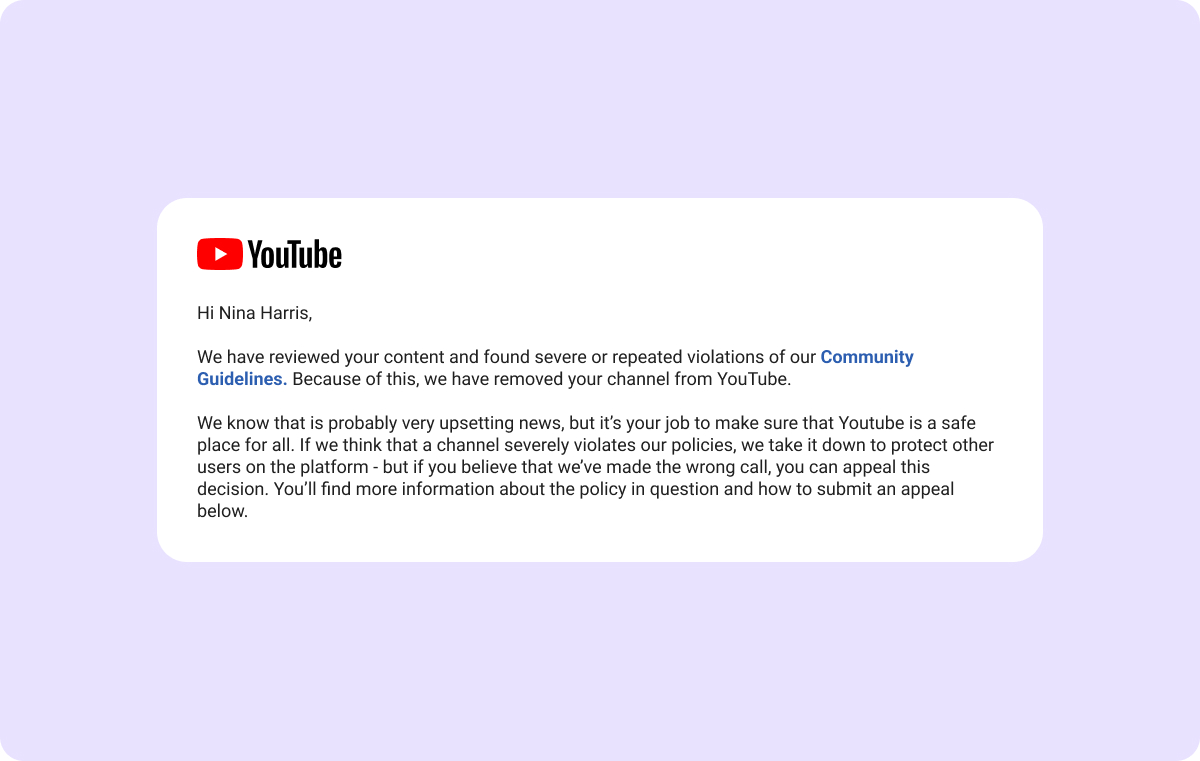
Để hiểu rõ cơ chế khiếu nại bản quyền, trước hết bạn cần nắm vững các quy định cơ bản về bản quyền YouTube. Điều này giúp bạn phân biệt giữa hành vi vi phạm thực sự và những trường hợp được phép sử dụng hợp pháp.
How to File a Copyright Claim
Filing a DMCA Copyright Complaint
The DMCA (Digital Millennium Copyright Act) is a U.S. law that allows copyright holders to request the removal of infringing content from platforms such as YouTube, Facebook, and TikTok. If you discover that your work is being used without permission, you can submit a DMCA complaint to protect your rights. Here's how:
Step 1: Identify the Infringement
Ensure that you are the rightful owner or authorized user of the content in question. False claims may result in legal consequences.
Step 2: Provide Detailed Information
A DMCA complaint should include:
- Contact details: Full name, email, address, phone number
- URL of the infringing content
- URL of the original copyrighted content
- Legal statement affirming your ownership and that the use is unauthorized
- Electronic signature (full legal name)
Step 3: Submit the Complaint to the Platform
Each platform has its own submission method:
- YouTube: youtube.com/copyright_complaint_form
- Facebook: facebook.com/help/contact/634636770043106
- TikTok: tiktok.com/legal/report/copyright
Step 4: Track the Result
After submission, the platform will review and may remove the infringing content if the claim is valid. The uploader may file a counter-notice. Be sure to monitor your email for updates.
Nếu khiếu nại không được xử lý đúng cách, video của bạn có thể nâng cấp thành gậy bản quyền YouTube. Đây là hình thức phạt nặng hơn, ảnh hưởng trực tiếp đến sự tồn tại của kênh, vì vậy người sáng tạo cần đặc biệt lưu ý.
Filing a Copyright Claim Using Content ID
YouTube’s Content ID is an automated system that identifies copyrighted content in videos. When a match is detected, the uploader may dispute the claim if they believe their use is lawful.
Step 1: Verify Ownership
Once a Content ID match is made, a notification will appear. Ensure that:
- You are the copyright holder of the content (audio, video, images)
- Or you have legal permission to use it
Step 2: Dispute the Content ID Claim
You have three options:
- Accept the claim: No action needed, but your video may be monetized by the claimant or restricted.
- Dispute the claim: If you believe the use falls under fair use or does not infringe, submit a dispute form.
Thực chất, một Copyright Strike là cảnh cáo chính thức từ YouTube khi có vi phạm bản quyền nghiêm trọng. Hiểu sự khác biệt giữa claim và strike giúp bạn biết cách xử lý tình huống ngay từ đầu để tránh hậu quả nặng nề.
How to Retract a Copyright Complaint
Sometimes, after filing a copyright complaint, the copyright owner may wish to withdraw it—perhaps upon realizing the content wasn’t infringing or after resolving the issue with the uploader. YouTube allows complaint retraction to restore removed videos or avoid unnecessary strikes.
If You Are the Claimant:
- If the video was removed: You can retract your complaint via YouTube’s “Retraction Form.” If the claim was submitted via the Content Verification Program (CVP) or CMS system, use the corresponding tools to retract.
- Note: Once a claim is retracted, you cannot re-submit a complaint for the same video.
If you didn’t use a Google Account to submit the complaint:
Send an email to copyright@youtube.com from the original email address used. Include:
- A clear statement that you want to retract the copyright claim (e.g., “I hereby retract my copyright complaint against the video…”)
- The direct link to the affected video
- Your full legal name as an electronic signature
If You Are the Alleged Infringer:
If your video was taken down and you believe the issue can be resolved, contact the claimant. Many rights holders list contact info (email, website, social links) on their channel's “About” section. If both parties agree, the claimant can retract the complaint, allowing YouTube to restore the video and remove any strike.
Trong trường hợp bạn cho rằng khiếu nại bản quyền áp đặt không đúng, hoàn toàn có thể gửi khiếu nại bản quyền đến YouTube. Đây là quyền lợi chính đáng để bảo vệ nội dung hợp pháp của người sáng tạo.
Copyright Claims on YouTube
A YouTube copyright claim occurs when a rights holder notifies YouTube that their content has been used without permission. Upon receiving a valid complaint, YouTube may:
- Remove the infringing video
- Issue a copyright strike against the uploader’s channel
- Redirect monetization earnings to the rights holder
Một số video vẫn có thể được phép tồn tại dù có chứa nội dung được bảo hộ, nếu rơi vào nguyên tắc Fair Use trên YouTube. Đây là căn cứ pháp lý quan trọng giúp bạn phản biện khi gặp phải claim không hợp lý.
What Happens When a YouTube Video Is Claimed?
The consequences of a copyright claim on YouTube may include:
- Monetization disabled: Revenue is sent to the copyright holder or blocked completely
- Video removal: A valid DMCA complaint leads to immediate takedown
- Copyright strike: One DMCA strike per valid complaint; three strikes within 90 days may result in channel termination
- Display restrictions: Videos may be blocked in certain regions or on certain devices
- Limited channel features: Multiple claims can limit livestreaming, long uploads, or monetization access
Nếu bạn là nhạc sĩ, ca sĩ hoặc nhà sản xuất âm nhạc, việc đăng ký bản quyền bài hát là giải pháp phòng ngừa hữu hiệu. Khi có giấy chứng nhận bản quyền, bạn dễ dàng kiểm soát và xử lý các claim do người khác sử dụng trái phép.
Sample Copyright Complaint Form
Here is a sample template for submitting a copyright complaint:
[Insert your form here or link to it if available]
Đối với những video muốn sử dụng nhạc nền nổi tiếng, cách an toàn nhất là xin phép bản quyền bài hát. Thực hiện đúng quy trình xin phép sẽ giúp bạn tránh các claim không đáng có và duy trì kênh ổn định lâu dài.
Final Thoughts
Understanding what a copyright claim is and how the process works not only protects your creative assets on YouTube, TikTok, or Facebook, but also helps maintain the integrity of your channel. If you’re dealing with copyright disputes or need to legally license copyrighted materials, don’t hesitate to contact Vietnam Copyright Services (VIPS) for expert consultation, legal representation, and full-service support.